雅思口语中的温暖回忆
在雅思口语考试中,当被问及“童年最喜欢的活动”时,许多考生会提到“室内游戏”,这些游戏不仅承载着无忧无虑的时光,还能展现语言表达能力和文化背景,本文将介绍几种经典的童年室内游戏,分析其对雅思口语的启发,并提供实用的词汇和表达技巧。
经典童年室内游戏及其文化内涵
-
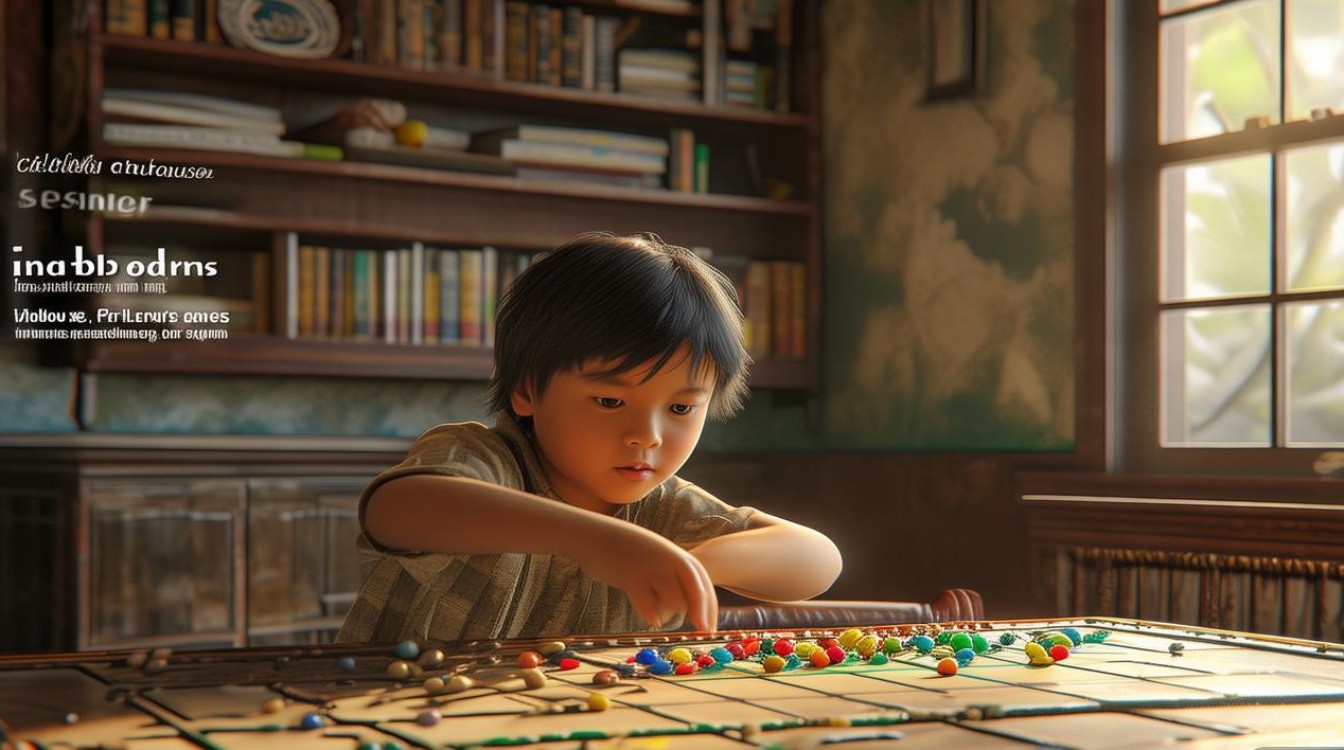
拼图(Jigsaw Puzzle)
拼图是培养耐心和观察力的绝佳游戏,玩家需要将零散的碎片拼接成完整图案,这一过程常被用来描述“细节导向”或“坚持不懈”的品质,在雅思口语中,可以举例说明:“I used to spend hours completing jigsaw puzzles with my family during rainy weekends. It taught me to pay attention to small details and stay patient even when things got tricky.” -
桌上足球(Table Football)
这款游戏在西方家庭中非常流行,玩家通过旋转球员杆来模拟足球比赛,它强调“策略”和“反应速度”,适合用于描述竞争与合作的主题。“Playing table football was a weekly ritual at my cousin’s house. We’d compete fiercely but always cheer for each other when someone scored a goal.” -
折纸(Origami)
折纸源自日本,通过纸张折叠创造各种形状,如千纸鹤、青蛙等,这一游戏可以联系到“创造力”和“文化传承”,雅思口语中可表达:“My grandmother taught me origami when I was six. It was amazing to see a simple piece of paper turn into a beautiful crane.” -
室内寻宝(Indoor Treasure Hunt)
家长会在家中藏好物品,通过线索引导孩子寻找,这种游戏能锻炼“逻辑思维”和“团队协作”。“On my tenth birthday, my parents organized a treasure hunt with riddles about our family photos. It was both fun and educational.”
雅思口语中的游戏相关词汇与表达
为了在口语中更生动地描述童年游戏,掌握以下词汇和句型至关重要:
| 类别 | 词汇/句型 | 例句 |
|---|---|---|
| 游戏名称 | board games, card games, role-playing | “Monopoly was my favorite board game growing up.” |
| 游戏动作 | assemble, rotate, fold, hide, seek | “We took turns rolling the dice and moving our pieces.” |
| 情感表达 | nostalgic, thrilling, challenging | “Looking back, those simple games brought me so much joy.” |
| 连接词 | moreover, furthermore, as a result | “Moreover, playing these games strengthened my sibling bond.” |
雅思口语高分技巧:如何描述游戏
-
具体化细节
避免笼统的描述,加入具体场景。- 普通版:“I played chess with my brother.”
- 高分版:“Every Sunday afternoon, my brother and I would battle over a chessboard, and I’d always lose to his sneaky knight moves!”
-
使用复合句
通过从句展示语法多样性。“What I loved most about playing house was that it allowed me to imagine being a grown-up, which seemed exciting at the time.”
-
结合个人成长
将游戏与价值观或技能提升联系起来。“Building with LEGO bricks not only sparked my interest in engineering but also taught me that patience leads to great results.”
相关问答FAQs
Q1: 在雅思口语中描述童年游戏时,如何避免内容过于简单?
A1: 可以通过增加具体细节(如时间、地点、人物互动)、使用高级词汇(如“foster creativity”代替“make things”)以及反思游戏带来的影响来提升内容深度,与其说“I played puzzles”,不如说“Complecing 1000-piece puzzles every summer vacation honed my problem-solving skills and kept me entertained for hours.”
Q2: 如果不熟悉西方童年游戏,如何在雅思口语中自然过渡?
A2: 可以先提及自己国家的传统游戏,再对比或引入国际流行游戏。“In China, we often played ‘tag’ indoors, but I later discovered that British children enjoy similar games like ‘hide-and-seek’. It’s interesting how simple games can connect different cultures!”
通过以上方法,考生不仅能流利描述童年室内游戏,还能展示语言能力、文化理解和情感表达,为雅思口语增色不少。