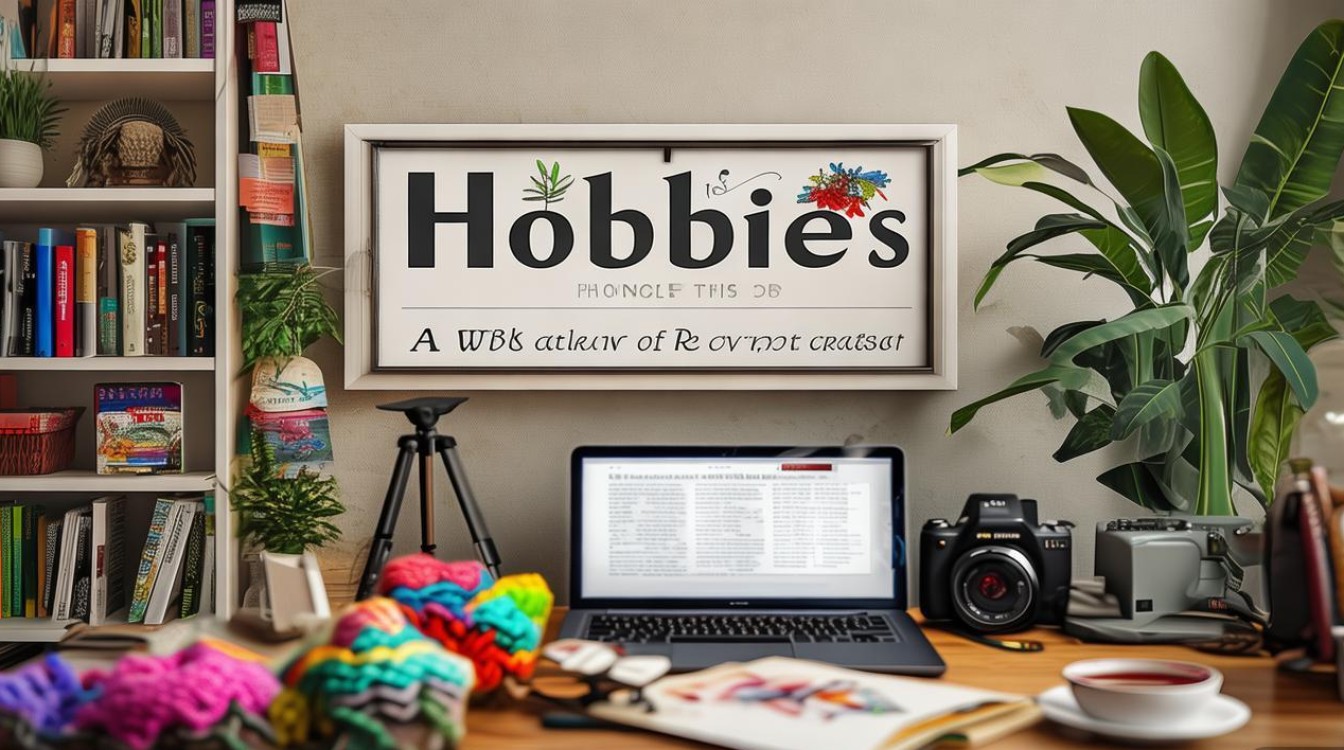
Hobbies
Hobbies are an essential part of human life, offering a break from daily routines and a chance to explore personal interests. Whether it's collecting stamps, painting, or playing a sports game, hobbies provide joy, relaxation, and opportunities for growth. In this article, we will explore the significance of hobbies, popular types, their benefits, and how to choose the right one. We will also address some frequently asked questions to help you better understand the role of hobbies in personal development.
The Importance of Hobbies
Hobbies are more than just pastimes; they are activities that individuals engage in for pleasure and personal fulfillment. They serve as a creative outlet, allowing people to express themselves and explore new skills. For many, hobbies are a way to relieve stress and maintain mental well-being. In today's fast-paced world, dedicating time to a hobby can provide a much-needed escape from work or academic pressures.
Moreover, hobbies foster social connections. Joining clubs or groups centered around shared interests can lead to lasting friendships and a sense of community. For example, a book club or a hiking group brings like-minded individuals together, creating opportunities for collaboration and shared experiences.
Popular Types of Hobbies
Hobbies can be categorized into various groups based on the activities involved. Below is a table outlining some common types of hobbies and examples for each:
| Category | Examples |
|---|---|
| Creative Hobbies | Painting, writing, photography, knitting, playing a musical instrument |
| Physical Hobbies | Running, swimming, yoga, dancing, rock climbing |
| Intellectual Hobbies | Reading, chess, puzzles, learning a new language, coding |
| Collecting Hobbies | Stamps, coins, antiques, comic books, vinyl records |
| Outdoor Hobbies | Gardening, birdwatching, camping, fishing, stargazing |
Each category offers unique benefits. Creative hobbies, for instance, enhance self-expression, while physical hobbies improve health and fitness. Intellectual hobbies stimulate the mind, and outdoor hobbies connect individuals with nature.
Benefits of Having a Hobby
Engaging in a hobby can have numerous positive effects on one's life. Here are some key benefits:
- Stress Relief: Hobbies provide a mental break from daily stressors. Activities like gardening or painting can be meditative, helping to reduce anxiety.
- Skill Development: Hobbies allow individuals to learn new skills. For example, learning a musical instrument or a new language can boost cognitive abilities.
- Improved Mental Health: Regular participation in hobbies has been linked to lower rates of depression and higher life satisfaction.
- Enhanced Creativity: Creative hobbies encourage innovative thinking, which can spill over into professional and personal life.
- Social Opportunities: Group hobbies, such as team sports or book clubs, facilitate social interaction and reduce feelings of isolation.
How to Choose the Right Hobby
Selecting a hobby depends on personal interests, available time, and resources. Here are some steps to help you find the perfect hobby:
- Reflect on Your Interests: Think about activities you enjoy or have always wanted to try. If you love nature, consider hiking or gardening.
- Consider Your Schedule: Choose a hobby that fits your lifestyle. If you have limited time, opt for something flexible, like reading or sketching.
- Assess Your Budget: Some hobbies, like painting or photography, may require initial investment, while others, like walking or journaling, are low-cost.
- Try Something New: Don’t be afraid to experiment. Attend a workshop or join a trial class to explore potential interests.
- Seek Inspiration: Talk to friends or join online communities to discover popular hobbies and gather recommendations.
Balancing Hobbies with Daily Life
While hobbies are beneficial, it’s important to maintain a balance. Overcommitting to a hobby can lead to burnout or neglect of responsibilities. Here are some tips for balancing hobbies with daily life:
- Set a Schedule: Dedicate specific time slots for your hobby to ensure it doesn’t interfere with work or family commitments.
- Prioritize: Focus on one or two hobbies at a time to avoid spreading yourself too thin.
- Stay Flexible: Adjust your hobby routine as needed. Life changes, and so should your approach to hobbies.
FAQs
Q1: How do I know if a hobby is right for me?
A1: A hobby is right for you if it brings joy, relaxation, or a sense of accomplishment. Start by experimenting with different activities and pay attention to how they make you feel. If you feel energized and engaged, it’s likely a good fit. Additionally, consider your interests and lifestyle—choose something that aligns with your passions and fits into your schedule.
Q2: Can hobbies help with career development?
A2: Yes, many hobbies can indirectly or directly enhance your career. For example, learning a new language through a hobby can improve job opportunities in international roles. Creative hobbies like writing or design can sharpen skills that are valuable in marketing or communications. Furthermore, hobbies demonstrate time management, discipline, and passion to employers, making you a well-rounded candidate.
In conclusion, hobbies enrich life by providing joy, reducing stress, and fostering personal growth. Whether you prefer creative, physical, or intellectual pursuits, there’s a hobby out there for everyone. By exploring different options and finding the right balance, you can unlock the full potential of your hobbies and lead a more fulfilling life.