雅思口语中的“statue”话题解析
在雅思口语考试中,"statue"(雕像)是一个高频话题,可能出现在Part 1的日常问题、Part 2的个人经历描述,或Part 3的社会文化讨论中,考生需围绕“statue”展开词汇拓展、语法运用和逻辑表达,本文将从核心词汇、话题延伸、答题技巧及实例分析四个维度,帮助考生系统掌握这一话题。
核心词汇与表达拓展
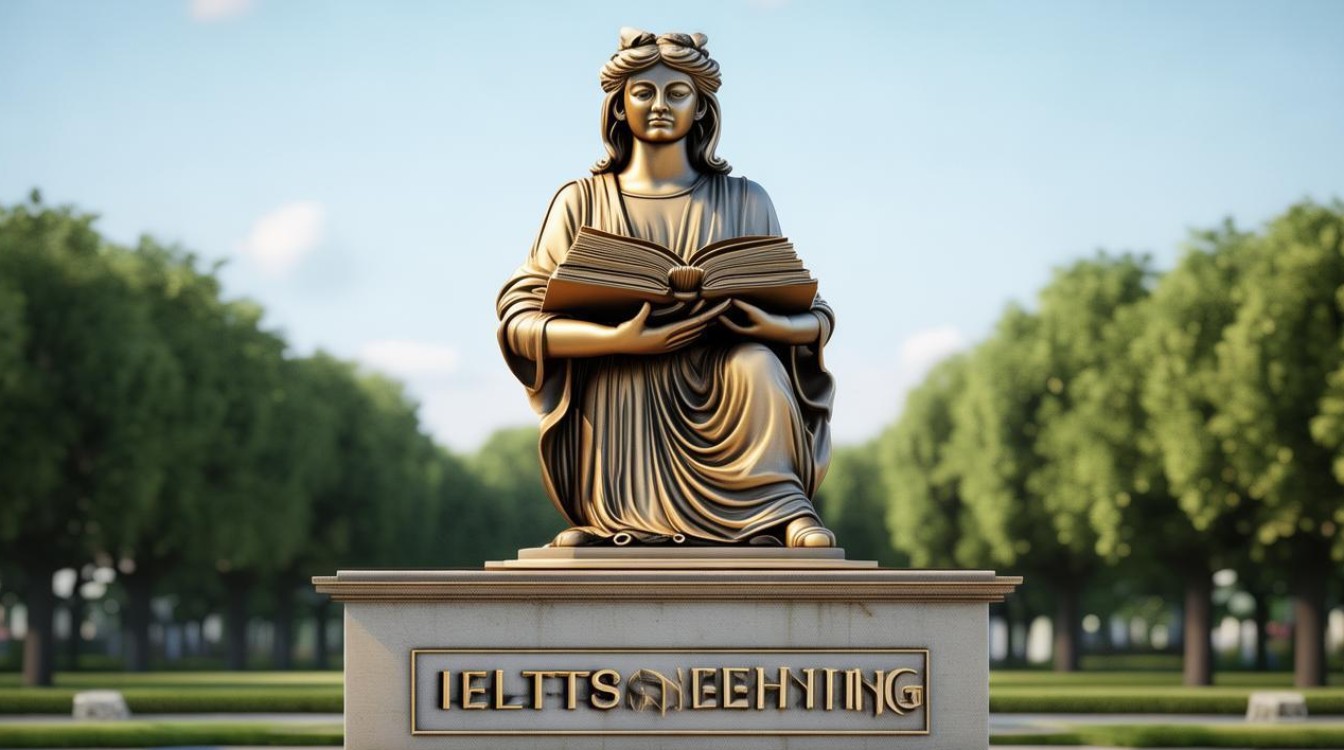
描述“statue”时,需注意其材质、外观、历史意义等细节,以下为分类词汇表:
| 类别 | 词汇/表达 | 例句 |
|---|---|---|
| 材质 | bronze, marble, stone, concrete, iron | The statue is made of bronze, which has turned green over time. |
| 外观 | lifelike, majestic, intricate, towering | The lifelike details of the statue make it look like a real person. |
| 动作/姿态 | standing, sitting, riding, waving | The famous statue depicts a horseman riding into battle. |
| 情感/意义 | symbolic, commemorative, iconic | This statue is symbolic of freedom and democracy. |
| 动词搭配 | unveil, donate, restore, preserve | The government plans to restore the old statue next year. |
语法重点:
- 使用被动语态强调动作承受者(The statue was unveiled in 1920)。
- 用非限制性定语从句补充信息(The statue, which is located in the city center, attracts thousands of visitors)。
话题延伸与答题思路
Part 1:基础问答
问题:Have you ever seen a statue in person?
答题框架:
- 直接回答 + 具体描述(地点、外观)→ 个人感受 → 延伸话题(如文化意义)。
示例:"Yes, I saw the Statue of Liberty during a trip to New York. It’s much taller than I expected, with a majestic torch in hand. Honestly, I was impressed by how it symbolizes hope for immigrants."
Part 2:个人经历描述 Describe a statue you admire.
答题结构:
- Introduction:名称、地点、首次见到的场景。
- Body:外观细节、历史背景、个人联想。
- Conclusion:为何印象深刻,对他人是否有影响。
示例:"I’d like to talk about the ‘Thinker’ statue by Rodin, which I saw in Paris. The bronze figure sits pensively, muscles tensed as if lost in thought. Created in 1904, it originally represented Dante but later became a symbol of philosophy. What struck me was its ability to convey complex emotions silently. I think it encourages people to pause and reflect in our fast-paced world."
Part 3:社会文化讨论
问题:Why do you think some statues are controversial?
答题方向:
- 历史背景(如殖民相关人物)→ 公众认知变化 → 替代方案(如博物馆展览)。
示例:"Controversial statues often reflect conflicting historical narratives. For example, statues of colonial figures may be seen as symbols of oppression by some communities. Instead of removing them entirely, some cities choose to relocate them to museums with context labels, allowing people to learn from history without glorifying it."
实用答题技巧
- 避免重复:用近义词替换(如用sculpture代替statue,用monument泛化)。
- 细节具体化:补充数字、年代或对比(The statue is 10 meters tall, twice the height of a giraffe)。
- 连接词运用:自然过渡(However, In addition, As a result)。
常见错误与修正
| 错误表达 | 修正后 | 原因 |
|---|---|---|
| "The statue is very old." | "The statue dates back to the 18th century." | 缺乏具体信息,降低说服力。 |
| "People like it because..." | "Many people admire it for its artistic value." | 口语化词汇替换为正式表达。 |
FAQs
Q1: 雅思口语中遇到不熟悉的statue话题怎么办?
A1: 可用“万能描述法”:先承认不熟悉(I’m not familiar with that specific statue, but I can talk about general features),再转向同类话题(如Most statues commemorate historical figures or cultural symbols)。
Q2: 如何在Part 2中丰富statue描述的内容?
A2: 采用“五感法”:视觉(颜色、形状)、听觉(周围环境声)、触觉(材质质感)、联想(相关故事),并加入对比(Unlike modern statues, this one has no inscription)。