
雅思作文中的地图题是Task 1中的一个重要题型,主要考察考生对空间描述、变化对比及逻辑组织的能力,这类题目通常要求考生根据提供的地图(可能是某一地点的现状图、未来规划图或不同时期的对比图),用文字清晰、准确地描述地图内容,并突出关键变化或设计特点,以下从题型分类、核心技巧、结构布局及实例解析等方面,为考生提供全面的备考指导。
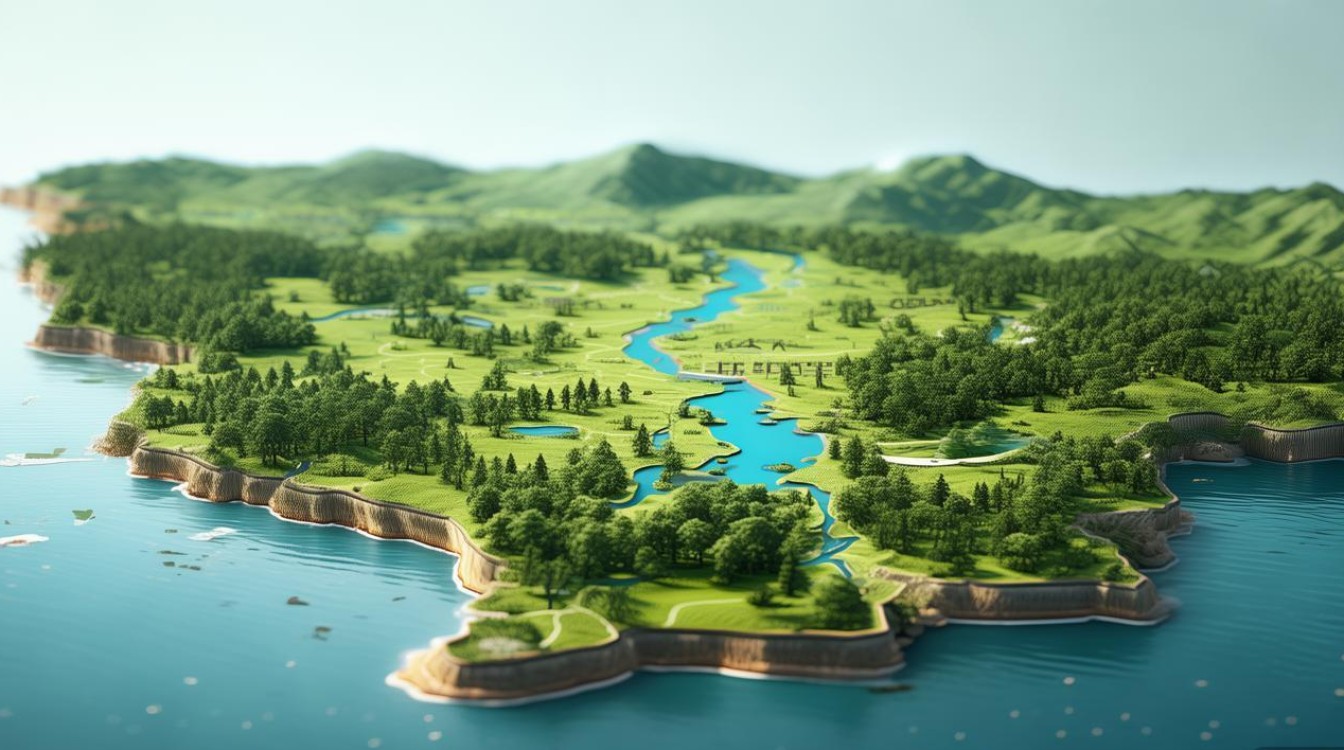
地图题的分类与特点
地图题大致可分为三类:静态地图(单一时间点描述)、动态地图(不同时间对比)和设计规划图(如新建设施布局),静态地图侧重于空间位置的精确描述,如建筑、道路的相对方位;动态地图则需突出时间维度的变化,如新增或消失的元素;设计规划图往往涉及功能区域的划分,需说明各部分的用途及关联性,无论何种类型,地图题的核心均在于“观察-对比-描述”的逻辑链条,考生需避免主观臆断,严格依据地图信息作答。
高分写作技巧
-
方位词与参照物的灵活运用
描述位置时,需准确使用方位词(如north of, adjacent to, opposite to)和参照物(如“located next to the river”),若地图中有河流与道路,可描述为“The residential area is situated south of the river, with a highway running east-west through its center”。 -
数据与变化的量化呈现
动态地图需突出变化幅度,可通过“triple in size”“expand from...to...”等结构量化对比。“Between 2000 and 2025, the forest coverage decreased from 50% to 20%, while the urban area doubled”。 -
逻辑连接词的连贯性
使用“furthermore”“in addition”“conversely”等连接词,确保段落衔接自然,描述公园布局时:“The park is divided into two zones: a playground in the northwest corner and a botanical garden in the southeast. Additionally, a walking path connects the two sections.”
文章结构布局
建议采用“总-分-总”结构,分为引言、主体段和结论。
- 概括地图主题及时间范围(若适用),如“The map illustrates the changes of a small island from 1980 to present, following the construction of a tourist resort.”
- 主体段:按区域或功能划分段落,每段聚焦1-2个核心区域,第一段描述北部海滩变化,第二段分析南部新增设施。
- 总结主要变化趋势,如“Overall, the island has transformed from an undeveloped area into a modern tourist destination with enhanced infrastructure.”
示例:动态地图描述框架
| 时间阶段 | 主要变化 | 关键细节 |
|---|---|---|
| 1980年 | 原始状态 | Small island with dense forest and a beach on the west coast. |
| 2025年 | 旅游开发 | Forest cleared, resort built in the center; pier added to the east. |
| 对比总结 | 环境与经济 | Loss of greenery but increased tourist facilities. |
实例解析(以岛屿开发为例)The maps below show an island, before and after the construction of some tourist facilities.
高分范文片段:
The first map depicts the original layout of the island, which was largely uninhabited, covered with dense vegetation and a sandy beach on the western side. In contrast, the second map illustrates significant changes after the development of tourist amenities. A hotel and a restaurant were constructed in the center of the island, connected to the beach by a new road. To the east, a pier was built to facilitate boat access, and several huts were erected along the eastern coast for tourists. Notably, the forest area was reduced by half to make space for these facilities.
解析:
- 时态运用:过去时描述原始状态,现在时/过去时对比变化。
- 细节覆盖:位置(center, eastern coast)、功能(hotel, pier)、影响(forest reduced)全面提及。
- 词汇丰富:“uninhabited”“dense vegetation”“facilitate access”等词汇提升表达精度。
常见误区与避坑指南
- 忽略比例与方向:若地图有比例尺或方向标,需在描述中体现(如“the pier is 200 meters from the coast”)。
- 过度解读:仅基于地图信息描述,勿添加主观推测(如“the hotel may attract many visitors”)。
- 结构混乱:避免按元素顺序(如先写所有建筑,再写道路)分段,应按地理区域划分逻辑。
FAQs
Q1: 地图题需要写数据吗?
A1: 若地图中标注了具体数据(如尺寸、百分比),必须写入;若仅有定性描述(如“large park”),则用相对词汇即可,数据是得分关键,能体现观察细致度。
Q2: 如何应对复杂的地图(多个区域/元素)?**
A2: 采用“区域划分法”,将地图拆分为2-3个核心部分(如北部、南部、中心),每段聚焦一个区域,确保逻辑清晰,同时用“while”“whereas”对比不同区域的特点,避免信息堆砌。
通过系统练习上述技巧,考生可快速掌握地图题的写作逻辑,提升描述准确性与语言丰富度,最终实现雅思写作高分突破。