在雅思口语考试中,“cooking”是一个高频且贴近生活的话题,它不仅考察考生的语言表达能力,还涉及文化背景、个人经历和价值观的呈现,无论是描述烹饪习惯、分享美食记忆,还是探讨饮食文化,掌握与“cooking”相关的词汇、句式和表达逻辑,都能帮助考生在口语考试中更自然、生动地展开话题。
烹饪:从生活技能到文化体验
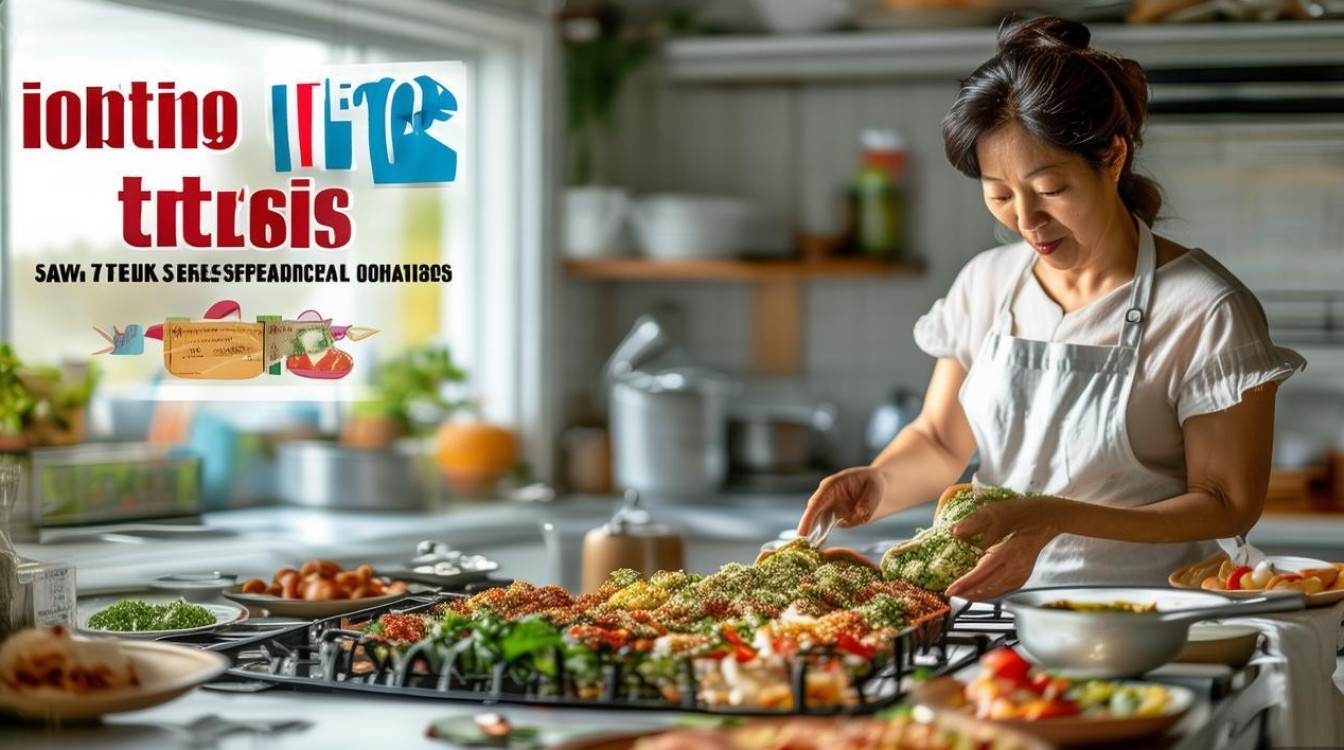
烹饪(cooking)是人类最基本的生活技能之一,也是连接情感与文化的纽带,对许多人而言,厨房不仅是制作食物的地方,更是创造回忆、传递温暖的空间,在雅思口语中,当被问及与烹饪相关的话题时,考生可以从个人经历、偏好、文化意义等多个维度切入,展现丰富的语言层次和思维深度。
个人烹饪经历与偏好
在雅思口语Part 1中,考官常会以“Do you like cooking?”或“How often do you cook?”等简单问题开场,结合个人真实经历作答能让回答更具说服力,若考生喜欢烹饪,可以描述自己最喜欢的菜式、学习烹饪的途径(如“跟着妈妈学”或“看YouTube教程”),以及烹饪带来的成就感(“看着家人朋友吃得很开心,是我最满足的时刻”)。
若考生较少下厨,也可以坦诚说明原因(如“平时工作忙,没时间做饭”),同时补充替代方案(“周末会尝试做一些简单的菜,比如番茄炒蛋”),避免回答过于单薄,在词汇使用上,可灵活运用“stir-fry(炒菜)”“boil(煮)”“steam(蒸)”“chop(切)”等动词,或“delicious(美味的)”“flavorful(有风味的)”“undercooked(未煮熟的)”等形容词,丰富表达细节。
示例回答:
“I enjoy cooking very much, especially on weekends. My specialty is Mapo Tofu, which I learned from my mom. She taught me how to balance the spicy and savory flavors by using the right amount of doubanjiang (broad bean paste). Cooking for me is not just about making food; it’s a way to relax and express creativity. Last month, I even tried making pasta from scratch, though it turned out a bit chewy—practice makes perfect!”
烹饪与文化、社交的关联
在Part 2的“个人陈述”环节,考官可能会要求描述“一道你喜欢的菜”“一次特别的烹饪经历”或“一个与美食相关的节日”,这类题目需要考生将烹饪与文化、情感或社交场景结合,展现叙事能力,描述“一道有特殊意义的菜”时,可以讲述其背后的家庭故事(如“这是奶奶的拿手菜,每年春节全家人都会一起做,象征着团圆和幸福”),或文化习俗(如“粽子在端午节的意义,不仅是为了纪念屈原,更承载了我们对传统的传承”)。
在词汇和句式上,可使用“not only...but also...”“It symbolizes...”“What makes it special is...”等结构,增强逻辑性,适当加入感官描写(如“the aroma of freshly baked bread”“the crispy texture of the duck skin”),让描述更生动。
示例框架(描述“一次成功的烹饪经历”):
- 背景:朋友聚会,决定尝试做法式可丽饼。
- 过程:第一次失败(面糊太稀),第二次改进(过滤面糊、控制火候),最终成功。
- 感受:朋友的赞美让我充满成就感,意识到“耐心”和“细节”的重要性。
烹饪相关的社会趋势与观点
在Part 3的深度讨论环节,考官可能会围绕烹饪展开抽象话题,如“为什么现在年轻人不喜欢做饭?”“外卖对饮食文化的影响?”或“政府是否应该推广健康饮食?”,这类题目需要考生表达观点并给出理由,同时展示辩证思维。
针对“年轻人不爱做饭”的现象,可以从“生活节奏快”“外卖便捷”“烹饪技能教育缺失”等角度分析;在讨论“外卖影响”时,可提及“便利性”与“健康隐患”“传统饮食文化流失”的对比,使用“Firstly, Secondly, Finally”或“On the one hand...on the other hand”等连接词,能让观点更清晰。
示例回答:
“I think young people today are less interested in cooking mainly because of their busy lifestyles. Many work long hours and prefer ordering takeout for convenience. Additionally, cooking skills are not emphasized in school curricula, so some may feel it’s too complicated. However, I’ve noticed a recent trend of ‘cooking challenges’ on social media, which might inspire more young people to try cooking at home. This could help them develop a healthier relationship with food and even save money.”
烹饪相关高频词汇与表达
掌握与“cooking”主题的核心词汇,能显著提升口语表达的准确性和丰富度,以下分类整理了实用词汇:
| 类别 | 词汇/表达 |
|---|---|
| 烹饪动作 | chop, slice, dice, stir, fry, boil, steam, bake, grill, season, marinate |
| 厨房工具 | knife, cutting board, pot, pan, oven, blender, whisk, spatula |
| 食材与味道 | ingredient, spice, herb, fresh, raw, crispy, tender, savory, sweet, spicy |
| 评价与感受 | delicious, mouth-watering, flavorful, undercooked, overcooked, burnt, recipe |
| 场景与习惯 | home-cooked meal, family recipe, cooking show, takeout, dine out, kitchen |
相关问答FAQs
Q1: 雅思口语中被问到“Do you like cooking?”时,如果不喜欢做饭,该如何回答避免显得消极?
A1: 可以先坦诚表达偏好,再补充积极原因或替代方案。“Actually, I’m not a big fan of cooking because I find it time-consuming after a busy day at work. However, I do enjoy simple activities like making smoothies or salads, which are quick and healthy. I also love exploring new restaurants with friends—it’s my way of experiencing different cuisines without the hassle of cooking!” 这样的回答既真实,又展现了积极的生活态度。
Q2: 在描述烹饪过程时,如何让语言更生动,避免流水账?
A2: 可运用“细节描写+情感表达+结果反馈”的结构,不要只说“I made noodles”,而是描述:“I started by kneading the dough until it was smooth, then let it rest for 30 minutes. The most challenging part was rolling it into thin strands without breaking it. When the noodles were finally cooked in homemade broth, the aroma filled the kitchen—my roommates said it was the best meal they’d had all week!” 通过加入动作细节、遇到的困难和他人的反馈,故事会更立体有趣。