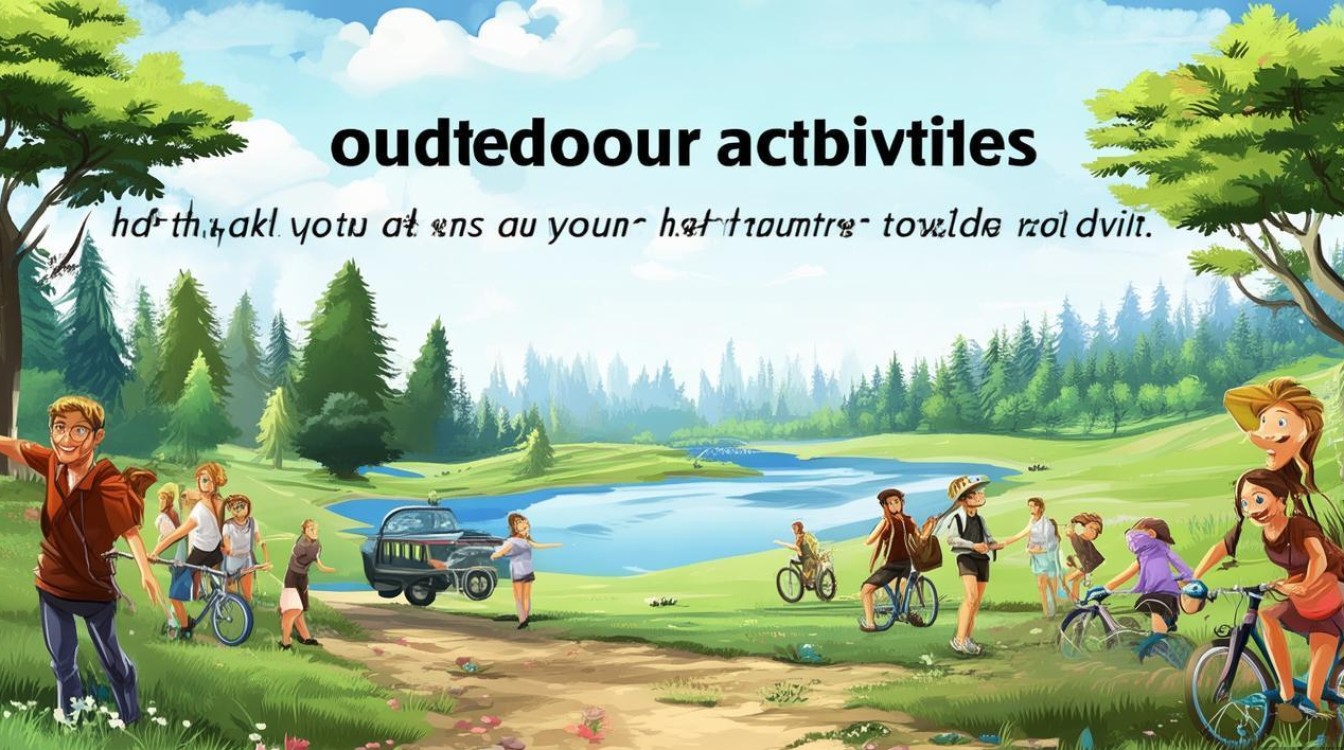
在雅思口语考试中,"outdoor"(户外)是一个高频且贴近生活的话题,考生需要围绕户外活动、自然环境、个人体验等维度展开论述,以下从常见话题方向、词汇积累、结构框架和实用技巧四个方面,帮助考生系统备考这一主题。
常见话题方向与核心表达
雅思口语中与"outdoor"相关的话题通常涉及具体活动、自然环境、个人偏好及社会现象,考生需掌握不同场景下的核心词汇和表达逻辑。
户外活动类型
户外活动可细分为休闲运动、探险体验和社会交往三类,考生需结合自身经历选择熟悉的话题展开。
- 休闲运动:hiking(徒步)、camping(野营)、cycling(骑行)、picnicking(野餐)、birdwatching(观鸟)等。
- 探险体验:rock climbing(攀岩)、rafting(漂流)、skiing(滑雪)、stargazing(观星)等。
- 社会交往:outdoor concerts(户外音乐会)、street markets(集市)、community gardening(社区园艺)等。
自然环境描述
描述户外场景时,需涵盖视觉、听觉、触觉等多感官细节,增强画面感。
- 自然景观:lush forests(茂密的森林)、serene lakes(宁静的湖泊)、rolling hills(连绵的丘陵)、colorful sunsets(绚烂的日落)。
- 气候与感受:breezy and refreshing(微风宜人)、crisp autumn air(清爽的秋日空气)、soothing sound of waves(海浪的舒缓声响)。
个人偏好与原因
回答时需明确立场并给出具体理由,避免空泛表述。
- 偏好户外活动的原因:to relieve stress(缓解压力)、to stay connected with nature(亲近自然)、to socialize with friends(社交)。
- 不常参与户外活动的原因:busy work schedule(繁忙的工作安排)、extreme weather(恶劣天气)、lack of nearby facilities(附近设施不足)。
词汇与句式进阶
高频词汇分类
| 类别 | 词汇示例 |
|---|---|
| 动词 | embrace(拥抱)、savor(品味)、explore(探索)、unwind(放松) |
| 形容词 | invigorating(令人振奋的)、picturesque(如画的)、tranquil(宁静的) |
| 短语 | off the beaten path(人迹罕至)、breathe in the fresh air(呼吸新鲜空气) |
| 地道表达 | a breath of fresh air(耳目一新)、get away from it all(暂时逃避现实) |
复杂句式应用
- 原因状语从句:I enjoy hiking because it allows me to escape the hustle and bustle of the city and recharge my energy.
- 对比转折句:While some people prefer indoor activities, I find that being outdoors helps me clear my mind and boost my creativity.
- 举例说明:For instance, last summer I went camping with friends in the mountains, where we cooked over a campfire and told stories under the stars.
回答结构框架
以Part 2话题“Describe a favorite outdoor activity you enjoy”为例,可采用“总-分-总”结构展开:
- 引入:明确活动名称及总体印象(如:My favorite outdoor activity is kayaking, which I find both thrilling and relaxing.)。
- 展开:
- 时间与地点:I usually go kayaking on weekends at the lake near my hometown.
- 具体经历:Last month, I paddled for three hours and spotted a family of ducks swimming alongside my boat.
- 感受与收获:The rhythmic sound of the paddling and the cool water spray make me feel alive, and it’s a great way to exercise without feeling like I’m working out.
- Kayaking isn’t just a hobby for me; it’s a way to connect with nature and find balance in my busy life.
实用应试技巧
- 细节化描述:避免笼统回答,通过具体细节(如时间、地点、感官体验)让内容更生动,不说“I like walking”,而是说“I love taking early morning walks in the park, where I can hear birds chirping and watch the sunrise paint the sky pink.”
- 情感融入:表达个人感受(如兴奋、平静、成就感),展现语言的情感表达能力。
- 避免模板化:虽然需要结构清晰,但内容需结合真实经历,避免使用过度通用的模板句。
FAQs
Q1: 如何在口语中避免描述户外活动时词汇单一?
A1: 可通过同义替换、场景细分和组合表达丰富词汇,描述“开心”时,可用“ecstatic”替代“happy”,结合场景说“the adrenaline rush from kayaking left me grinning from ear to ear”,积累主题相关词汇(如自然现象、动作细节),避免重复使用“like”“good”等基础词。
Q2: 当被问及不熟悉的户外话题时,如何应对?
A2: 可采用“转移焦点+逻辑关联”策略,若被问及“rock climbing”(攀岩)且无相关经历,可坦诚表示“I haven’t tried rock climbing yet, but I’m fascinated by outdoor activities that challenge both physical strength and mental focus, such as hiking or cycling. I imagine rock climbing requires great courage and precision.” 既回避了陌生话题,又展现了语言灵活性和逻辑思维。