
Recycling
Recycling is a critical practice that helps protect the environment, conserve natural resources, and reduce waste. As global awareness of environmental issues grows, recycling has become a common topic in daily conversations, educational discussions, and community initiatives. This article explores the importance of recycling, its benefits, challenges, and practical ways to incorporate it into daily life. It also includes a FAQ section to address common questions about recycling.
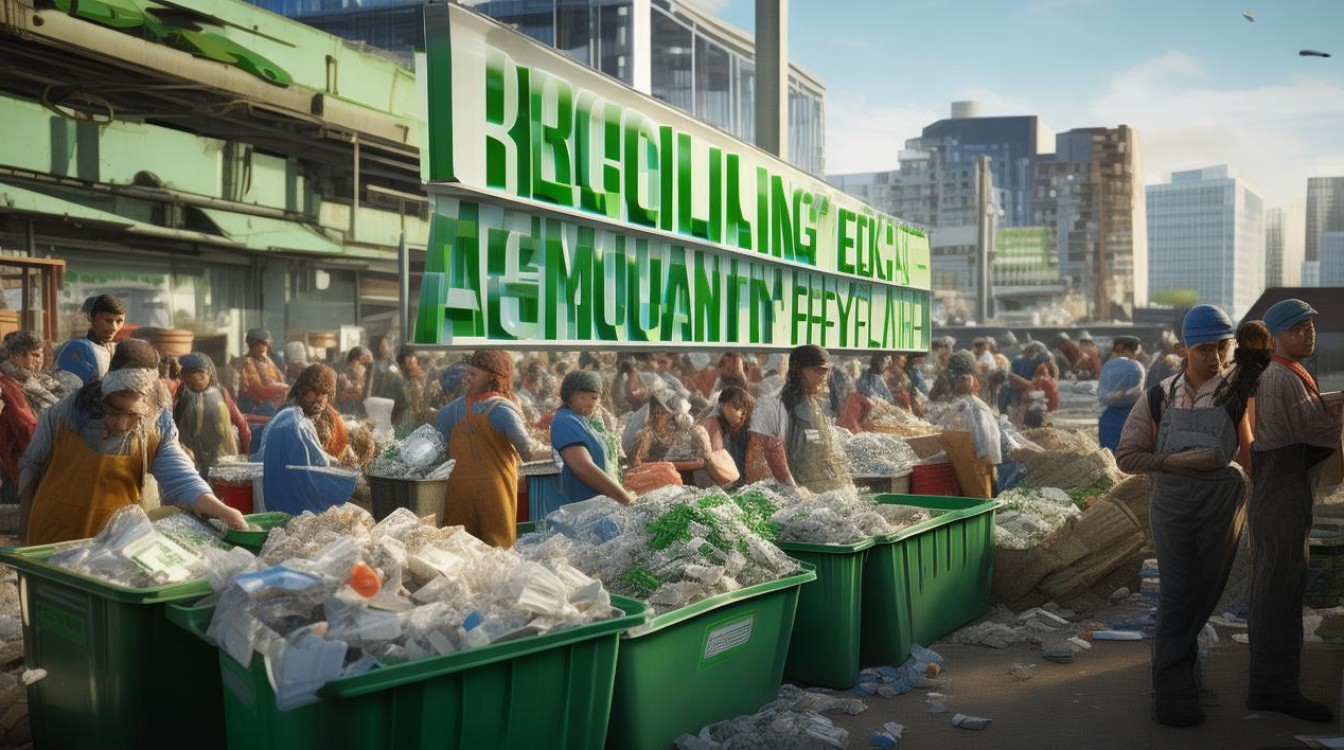
Why Recycling Matters
Recycling is the process of converting waste materials into reusable objects to prevent waste of potentially useful materials. By recycling, we reduce the need for raw material extraction, which helps preserve forests, water sources, and mineral deposits. For example, recycling paper saves trees, while recycling aluminum reduces the energy consumption required to produce new aluminum from bauxite ore.
Additionally, recycling minimizes the amount of waste sent to landfills and incinerators, which reduces soil and air pollution. Landfills release methane, a potent greenhouse gas, while incineration can release toxic chemicals into the atmosphere. By recycling, we mitigate these environmental hazards and contribute to a healthier planet.
The Benefits of Recycling
Recycling offers numerous environmental, economic, and social benefits. Environmentally, it reduces pollution, conserves natural resources, and lowers greenhouse gas emissions. Economically, recycling creates jobs in collection, processing, and manufacturing industries. It also reduces the cost of waste management by decreasing the volume of trash that needs to be disposed of.
Socially, recycling promotes environmental responsibility and encourages sustainable habits. Communities that prioritize recycling often see improved public health due to reduced pollution. Schools and organizations also use recycling programs to educate people about environmental stewardship.
Common Recycling Materials and Practices
Many materials can be recycled, including paper, plastic, glass, and metal. However, recycling practices vary by location, so it’s essential to check local guidelines. Below is a table of common recyclable materials and their recycling processes:
| Material | Recycling Process | Common Uses After Recycling |
|---|---|---|
| Paper | Sorted by type, pulped, and reformed into new paper products. | Newspapers, cardboard, office paper. |
| Plastic | Cleaned, shredded, and melted into pellets for manufacturing. | Bottles, containers, clothing. |
| Glass | Crushed, melted, and remolded into new glass items. | Bottles, jars, fiberglass. |
| Metal | Sorted by type, melted, and cast into new shapes. | Cans, appliances, car parts. |
Challenges in Recycling
Despite its benefits, recycling faces several challenges. Contamination is a major issue, as non-recyclable items (like plastic bags or food waste) mixed with recyclables can ruin entire batches. This increases processing costs and reduces the efficiency of recycling facilities.
Another challenge is the lack of infrastructure in some regions. Not all areas have access to recycling programs, making it difficult for residents to participate. Additionally, the market for recycled materials can fluctuate, affecting the economic viability of recycling.
How to Improve Recycling Habits
Individuals and communities can take steps to improve recycling practices. Here are some practical tips:
- Educate Yourself: Learn about local recycling rules to avoid contamination.
- Reduce Waste: Choose products with minimal packaging or reusable alternatives.
- Recycle Right: Rinse containers and separate materials correctly.
- Support Recycling Programs: Advocate for better recycling facilities in your community.
- Reuse Items: Before recycling, consider if an item can be repurposed.
The Role of Technology in Recycling
Advancements in technology are making recycling more efficient. Innovations like AI-powered sorting systems can separate materials more accurately, reducing contamination. Chemical recycling processes can break down plastics into their original components, enabling the creation of new, high-quality products. These technologies help address some of the current challenges in recycling and improve its overall effectiveness.
FAQs About Recycling
Q1: Can all plastics be recycled?
A1: No, not all plastics are recyclable. The recyclability of plastic depends on its type (indicated by a number inside the recycling symbol, typically 1-7). Many facilities only accept plastics numbered 1 (PET) and 2 (HDPE), while others may accept additional types. However, plastics like bags, films, and styrofoam are often not accepted in curbside programs. Always check local guidelines to ensure proper disposal.
Q2: How does recycling help combat climate change?
A2: Recycling helps combat climate change by reducing greenhouse gas emissions. Manufacturing products from recycled materials typically requires less energy than producing them from raw materials. For example, recycling aluminum saves up to 95% of the energy needed to make new aluminum. Additionally, recycling reduces methane emissions from landfills and decreases the need for deforestation and resource extraction, which are significant contributors to climate change.
In conclusion, recycling is a simple yet powerful way to protect the environment and promote sustainability. By understanding its importance, adopting good habits, and supporting advancements in recycling technology, we can all contribute to a greener future.